

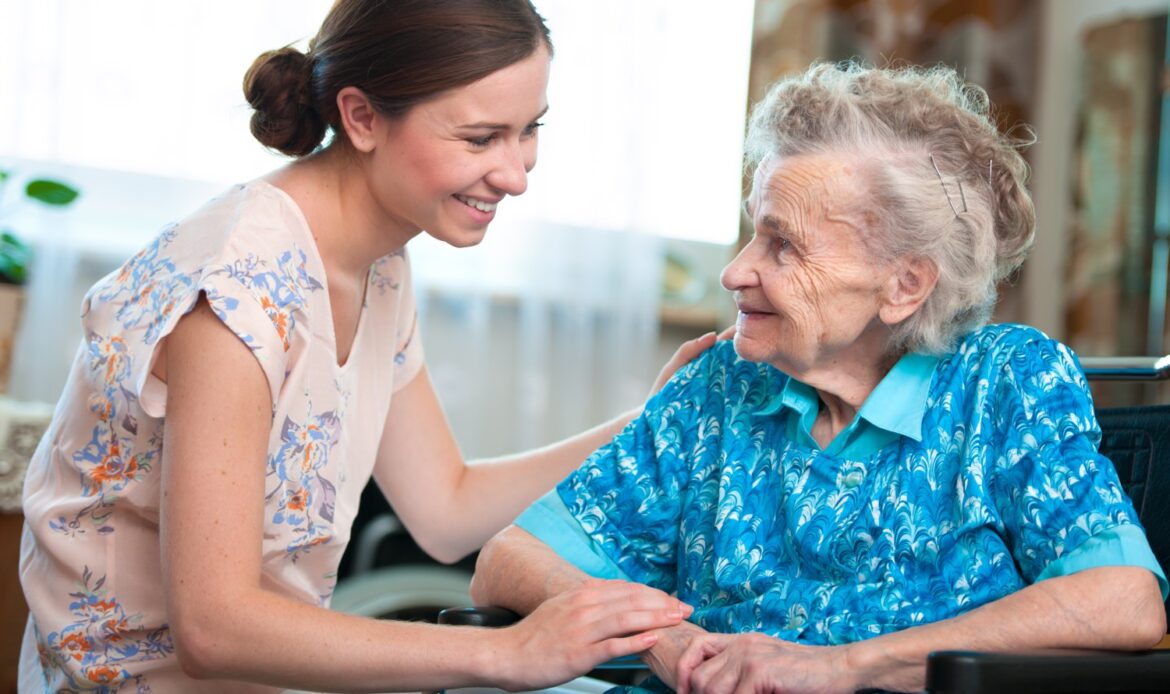
For some seniors and families, the level of care needed goes beyond part-time support. Perhaps your loved one has advanced dementia requiring constant attention. Perhaps they’ve recently recovered from surgery and need help at all hours. Perhaps they’re becoming increasingly frail and need someone present through the night. In these situations, live-in caregiver services become the practical solution that allows aging in place without institutional care.
A live-in caregiver provides 24/7 support in your loved one’s home, combining the comfort of familiar surroundings with the comprehensive assistance that full-time presence offers. This guide explains what live-in caregiving is, when it makes sense, and how to approach it properly.
What Live-In Caregiver Services Actually Provide
Live-in caregiver services mean a professional caregiver lives in your loved one's home, providing round-the-clock support. This isn't just nighttime supervision. It's comprehensive daily living assistance, available whenever needed.
A live-in caregiver typically helps with personal care (bathing, grooming, dressing), meal preparation and nutrition, medication management and reminders, mobility assistance and fall prevention, toileting and continence care, transportation to appointments, light housekeeping and laundry, companionship and emotional support, and monitoring for health changes or safety concerns.
The key difference from part-time care is availability. If your loved one needs help at 3 a.m., their caregiver is there. If they fall, someone is present immediately. If they're confused or anxious, there's a familiar person available to provide reassurance.
When Live-In Caregiver Services Make Sense
Live-in caregiving isn't necessary for everyone, but certain situations make it the right choice.
If your loved one has advanced dementia or Alzheimer's disease, the constant need for supervision, redirection, and assistance often requires a live-in caregiver. Dementia patients can become confused or unsafe at night—they may wander, forget they've eaten, or need help with toileting multiple times. A live-in caregiver manages these ongoing needs.
If your loved one requires extensive post-surgery or post-hospitalization recovery, a live-in caregiver provides the intensive daily assistance that recovery demands while allowing them to heal at home rather than in a facility.
If your loved one is increasingly frail or has multiple chronic conditions requiring frequent monitoring and assistance, live-in care helps prevent falls, manage medications, and ensure they are eating well and staying healthy.
If you're a family caregiver managing full-time caregiving alone and experiencing burnout, a live-in caregiver allows you to step back, protect your own health, and preserve your relationship with your loved one.
If your loved one is resistant to institutional care but needs comprehensive support, a live-in caregiver in their home often becomes the most comfortable and acceptable middle ground.
The Real Benefits of Live-In Caregiving
Beyond the obvious 24/7 presence, live-in caregiver services offer significant advantages.
Your loved one stays home. They don’t transition to an institution, facility, or unfamiliar environment. They age in the place they know, with their possessions and routines intact. This preserves dignity, reduces anxiety, and supports emotional wellbeing.
Consistency is profound. Unlike rotating part-time caregivers or facility staff, a live-in caregiver becomes a constant presence. They learn your loved one’s routines, preferences, triggers, and communication style. Your loved one builds trust with one person rather than adapting to multiple strangers.
Family caregivers get relief. If you’ve been managing full-time caregiving, a live-in caregiver gives you genuine breaks. You can sleep through the night. You can take time for yourself. Your relationship with your loved one shifts from exhausted caregiving to meaningful connection.
Medical monitoring is continuous. A live-in caregiver notices changes in appetite, confusion, pain, and sleep disruptions, and reports them immediately. Early detection of problems helps prevent hospitalizations.
Safety improves dramatically. Someone is present for falls, medication errors, or health emergencies. Response is immediate rather than delayed.
What to Expect With Live-In Care
Live-in caregiving changes your home dynamic, and understanding what to expect helps everyone adjust.
Your loved one’s home becomes a workplace. A professional is living there, working during specified shifts (typically 12-hour shifts with overnight rest, or rotating schedules). Boundaries exist. The caregiver has their own room, privacy, and off-duty time.
Routines shift. Meal times may adjust around care needs. Visiting hours may be scheduled. Your loved one adapts to having someone else in their home consistently.
Cost increases significantly compared to part-time care, but often costs less than institutional alternatives when you account for quality and outcomes.
The caregiver becomes part of your family’s daily life. They attend appointments, manage medications, and make daily decisions about care. Good communication between family and caregiver is essential.
Privacy adjusts. A caregiver needs access to your loved one’s bathroom, bedroom, and living spaces. Comfort with this level of presence varies by family.
Choosing the Right Live-In Caregiver
The personality match is even more critical with live-in care since the caregiver is present constantly.
Look for an agency that specializes in live-in caregiver services and prioritizes personality-based matching. Your loved one will spend 24/7 with this person. Compatibility matters profoundly.
Verify qualifications. Ensure the caregiver has experience with your loved one’s specific needs, including dementia care, post-surgery recovery, or other applicable conditions. Background checks and references are non-negotiable.
Meet potential caregivers before committing. Allow your loved one to meet options and participate in the decision if possible. A trial period—even a week—helps everyone adjust.
Discuss expectations clearly. What are working hours? What happens during time off? How are emergencies handled? Clear communication prevents misunderstandings later.
Establish a relationship with the agency. You need direct contact for issues, adjustments, or if the match isn’t working. Strong agencies respond quickly and can replace caregivers if necessary.
Making the Transition
Starting live-in care is a significant transition for everyone. Prepare by discussing it with your loved one (if possible), clearly explaining what to expect. Involve them in choosing their caregiver. Set expectations around boundaries and daily routines.
Give everyone time to adjust. The first few weeks are often awkward as everyone learns routines and boundaries. Most families report that comfort increases significantly after two to three weeks.
Maintain open communication with the caregiver. Regular check-ins help prevent issues from developing and allow schedules and approaches to be adjusted as needed.
Stay involved. Live-in care doesn’t mean stepping away—it means shifting from hands-on caregiving to oversight and connection. Maintain regular visits and remain involved in care decisions.
Why Live-In Care Works
Live-in caregiver services work because they provide 24/7 presence and support while allowing your loved one to remain home. They offer the safety and assistance of institutional care without the loss of dignity and independence.
For families with aging parents requiring comprehensive care, live-in caregiving often becomes the answer that allows aging in place, preserves family relationships, and provides professional support when full-time help is genuinely necessary.
If you're exploring live-in caregiver services in Arizona, Brightwood Health specializes in full-time in-home care with personality-based caregiver matching and comprehensive support. Our caregivers are trained, vetted, and experienced in providing the consistent, compassionate care that 24/7 presence requires.
A free assessment can discuss your loved one’s specific needs and whether live-in caregiving is the right solution. We serve Phoenix, Scottsdale, Tucson, and surrounding Arizona communities.
Your loved one deserves care that supports independence and dignity, even as needs increase.