

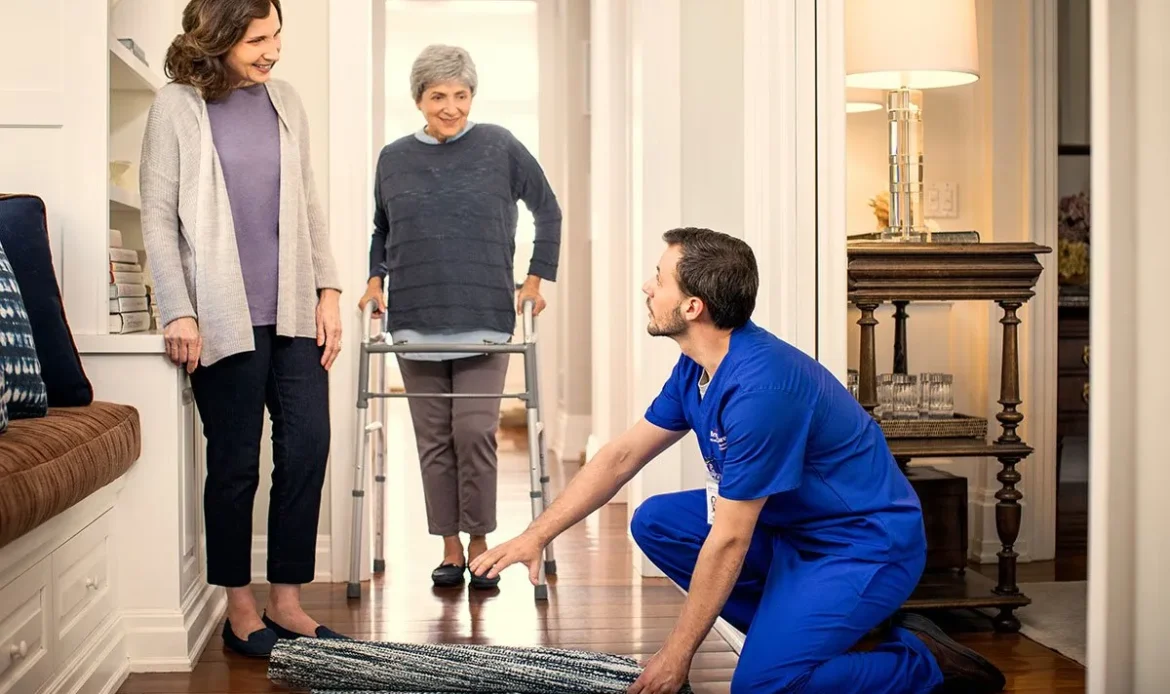
Falls are the leading cause of both fatal and nonfatal trauma for older adults. One out of four seniors experiences a fall each year, and falls can result in broken bones, head injuries, and loss of independence. The good news is that most falls are preventable. With practical modifications, professional support, and awareness, seniors can age safely at home while maintaining the independence they value.
This guide covers the most effective fall prevention strategies and explains how professional in-home care supports safety without sacrificing autonomy.
Why Falls Happen
Understanding fall risk is the first step in prevention. Falls typically happen due to a combination of factors: muscle weakness, balance and gait problems, vision changes, medication side effects, home hazards, or cognitive issues. Often it's not one single cause but several working together.
Seniors may feel unsteady when standing quickly, have difficulty navigating stairs, lose balance reaching for items, experience dizziness from medication, or move carefully through dimly lit spaces. These are all addressable issues with the right combination of environmental modifications, health management, and support.
Home Safety Modifications
The most effective fall prevention starts with the home environment. Simple modifications dramatically reduce risk.
Lighting and Visibility
Adequate lighting in hallways, bathrooms, and bedrooms is critical. Many falls happen at night when seniors get up without lights. Install motion-activated lights or keep a flashlight bedside. Ensure pathways are well-lit and free of shadows. Bathrooms especially need bright lighting near the toilet and shower areas.
Remove Tripping Hazards
Rugs and carpets are common culprits. Secure area rugs with non-slip underlays or remove them entirely. Clear pathways of clutter, cords, and items that could catch feet. Keep frequently used items at waist height so seniors don’t need to reach high shelves or bend low to ground level.
Bathroom Safety
The bathroom is where many falls occur. Install grab bars near the toilet, in the shower, and along the tub. Use a shower chair and non-slip mats in the tub and shower. Consider a raised toilet seat to reduce the distance seniors must lower themselves. Ensure the bathroom is well-lit and keep a phone nearby.
Stairs and Transitions
Install handrails on both sides of stairs if possible. Ensure stairs are well-lit. Use contrasting tape on the edge of steps so they’re clearly visible. Consider a stair lift if climbing becomes difficult. Remove throw rugs at the top and bottom of stairs.
Bedroom Safety
A secure pathway from bed to bathroom is essential since many falls happen during nighttime bathroom trips. Keep a nightlight on, ensure the path is clear, and consider a raised bed that’s easier to get in and out of. Keep frequently needed items within arm’s reach of the bed.
Physical Strength and Balance
Home modifications alone aren’t enough. Physical strength and balance directly prevent falls.
Exercise and Movement
Regular physical activity is one of the most effective fall prevention strategies. Walking, tai chi, balance training, and strength exercises significantly reduce fall risk. Seniors should aim for at least 150 minutes of moderate activity weekly. Even simple activities like gardening, dancing, or water aerobics provide benefits.
Balance exercises are particularly important. These might include standing on one leg while holding a counter, walking heel-to-toe, or practicing rising from a sitting position without using hands. A professional can design a personalized exercise program based on individual abilities and limitations.
Physical Therapy
If a senior has experienced a fall, has balance problems, or feels unsteady, physical therapy can identify specific weaknesses and provide targeted exercises. Physical therapists assess gait, balance, strength, and flexibility—then develop interventions to improve each area.
Managing Health Conditions and Medications
Many falls result from health issues or medication side effects.
Vision and Hearing
Regular eye exams ensure prescriptions are current. Vision changes directly affect balance and spatial awareness. Similarly, hearing loss can affect balance and awareness of surroundings. Annual checkups for both are important fall prevention measures.
Medication Review
Certain medications increase fall risk through dizziness, confusion, or balance problems. Seniors should ask their doctor or pharmacist whether any medications increase fall risk. Sometimes dosages can be adjusted or alternatives found.
Chronic Conditions
Conditions like arthritis, diabetes, heart disease, and neurological disorders all increase fall risk. Managing these conditions effectively—through medication, physical therapy, and regular medical care—reduces falls.
The Role of In-Home Care in Fall Prevention
Professional in-home care providers play a vital role in fall prevention through several mechanisms.
Direct Assistance with Mobility
A caregiver can provide physical support during transfers, walking, and daily activities. They help seniors move safely from bed to chair, assist with bathing where slip risk is high, and provide steadying support during walking. This direct assistance prevents falls before they happen.
Environmental Monitoring
A regular caregiver notices hazards and changes in the home environment. They spot tripping hazards, ensure lighting is adequate, and make adjustments as needed. They also notice changes in a senior’s gait or balance and alert family or healthcare providers to emerging problems.
Medication Management
A caregiver ensures medications are taken correctly and on schedule, which is essential for managing conditions that contribute to fall risk. They also observe for side effects that might increase fall risk and communicate concerns to healthcare providers.
Encouraging Activity
Caregivers encourage movement and activity that maintains strength and balance. They facilitate walking, exercise, and engagement in activities that support physical wellness. Regular activity, guided by a caregiver, significantly reduces fall risk over time.
Quick Response and Monitoring
If a fall does occur, immediate response is critical to prevent serious injury. A caregiver present during the incident can provide immediate assistance. Additionally, optional 24/7 in-home monitoring technology (like BrightAssist) can detect falls and alert the care team automatically, even when a caregiver isn’t physically present. This combination of in-person support and monitoring technology provides comprehensive safety coverage that significantly reduces the risk of serious injury from falls.
Creating a Falls Prevention Plan
Effective fall prevention requires a comprehensive approach.
Get a Professional Assessment
Start with a healthcare provider or physical therapist who can assess individual fall risk. They’ll evaluate vision, hearing, balance, strength, medications, and home environment. This assessment identifies specific risk factors and recommends targeted interventions.
Modify the Home
Work through the environmental modifications outlined above. Prioritize areas where the person spends most time—bedroom, bathroom, kitchen, and main living areas.
Address Health Issues
Ensure chronic conditions are well-managed through regular medical care, medication management, and appropriate treatment.
Implement Exercise
Start a regular activity and exercise program, whether through formal physical therapy, a trainer, or simple daily walking and movement.
Get Support
Consider in-home care if the person is at high risk or has recently fallen. A caregiver provides the safety monitoring and physical support that significantly reduces fall risk.
Review Regularly
Fall risk changes over time. Reassess periodically, especially if there’s a change in health, mobility, or living situation.
The Independence Factor
Many seniors resist help or modifications because they fear losing independence. The paradox is that effective fall prevention actually preserves independence by keeping seniors active, mobile, and in their homes longer.
A senior with a broken hip from a fall often loses independence permanently. That same senior with proper fall prevention support can continue living at home, maintaining their activities, and enjoying autonomy. The goal isn’t to restrict activity—it’s to support safe activity.
In-home care supports this balance. A caregiver provides safety and assistance while encouraging movement, activity, and decision-making that help seniors maintain their independence.
The Real Impact
Falls are one of the most common reasons seniors lose their independence and move to facilities. Yet most falls are preventable. With home modifications, physical activity, health management, and appropriate support, seniors can age safely at home.
The combination of environmental safety, physical strength, health management, and professional in-home care creates a comprehensive fall prevention strategy that works.
If you’re concerned about fall risk for a loved one in Arizona, Brightwood Health specializes in safety-focused in-home care with fall prevention training. Our caregivers are trained in fall prevention, mobility assistance, and supporting seniors to stay active and independent at home.
We also offer BrightAssist, our optional 24/7 in-home monitoring system that detects falls and safety concerns automatically—providing peace of mind even when caregivers aren’t physically present.
A free assessment can identify specific fall risks and discuss how professional support and monitoring might help. We serve Phoenix, Scottsdale, Tucson, and surrounding Arizona communities.
Your loved one deserves to age safely at home, with independence and dignity intact.